One Year of Data-Oriented Design, Burst Jobs and Other Optimizations in Unity
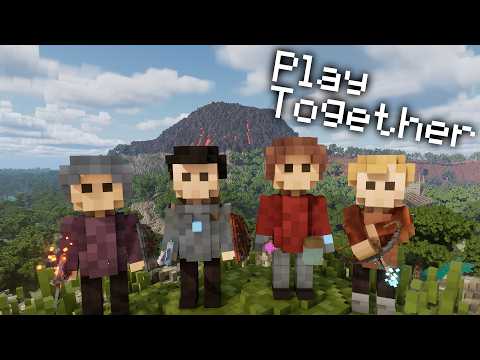
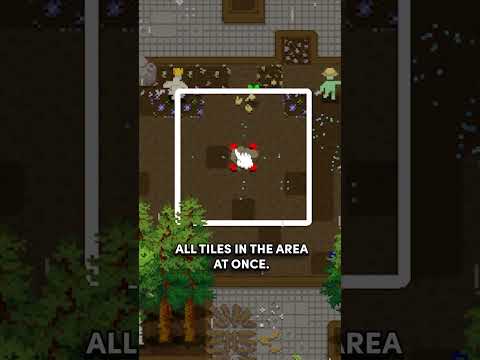
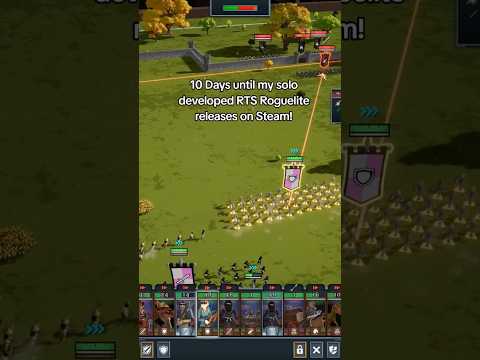
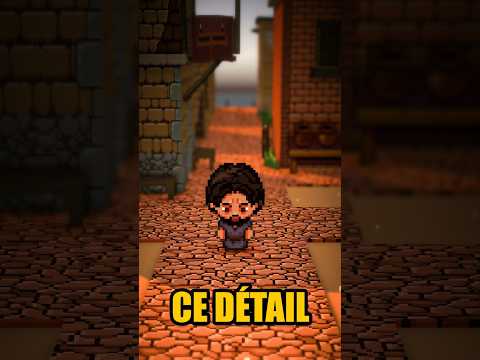
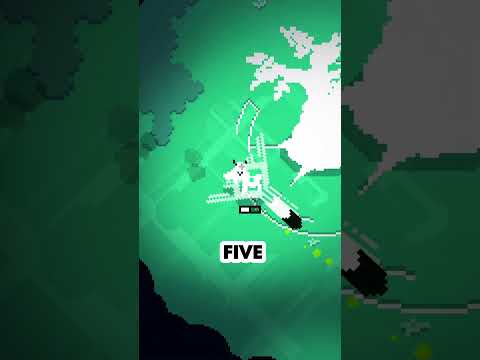
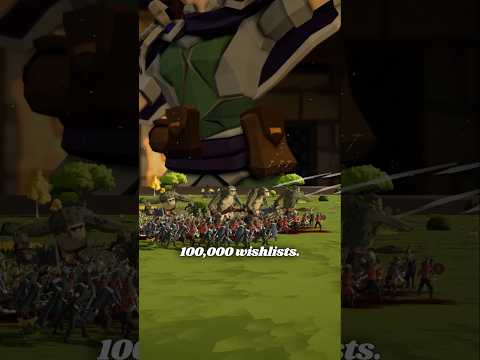
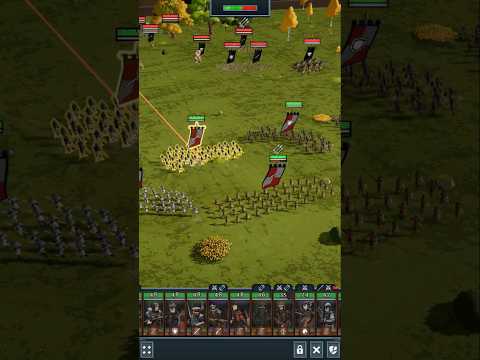
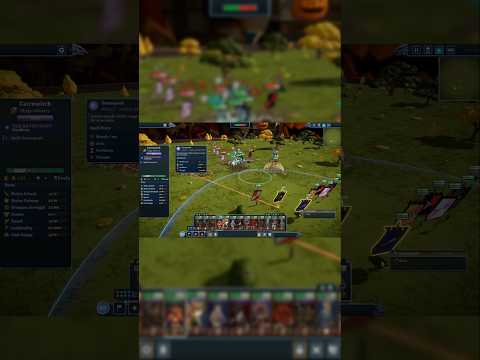
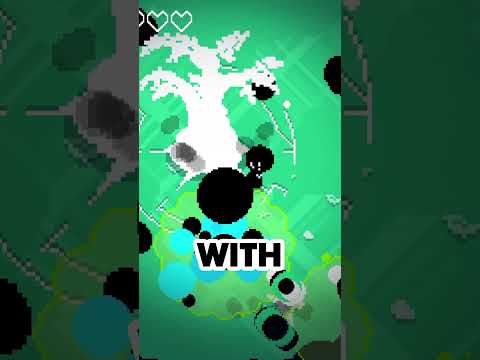
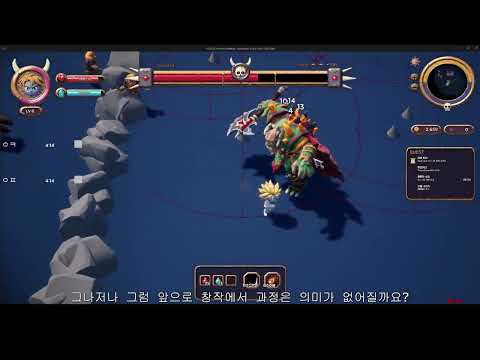
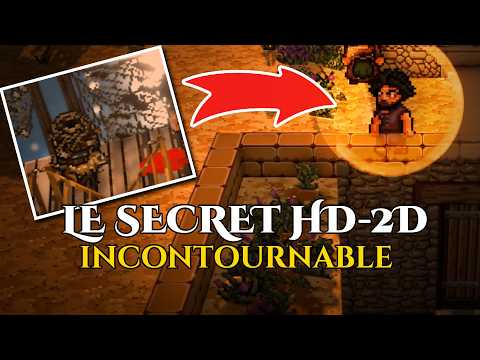
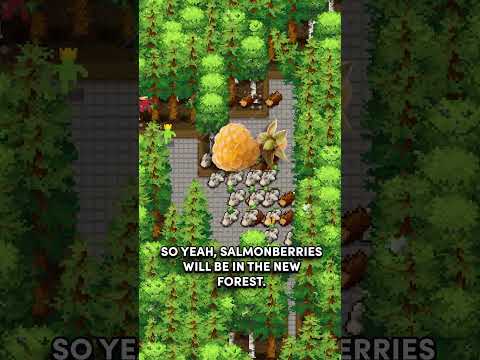
This is the story of implementing what I've learned into a gridless, interactive, world-building sandbox game called Minor Deity.
Minor Deity on Steam: https://store.steampowered.com/app/3876240/Minor_Deity/
Minor Deity Discord Server: https://discord.gg/2NEb4HxwhF
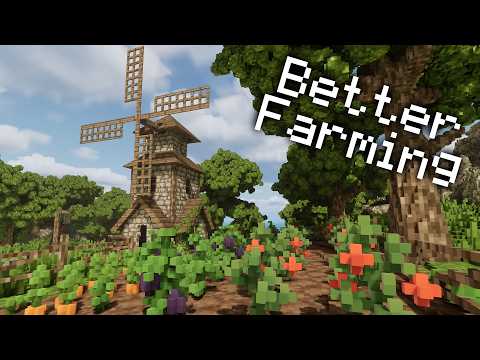
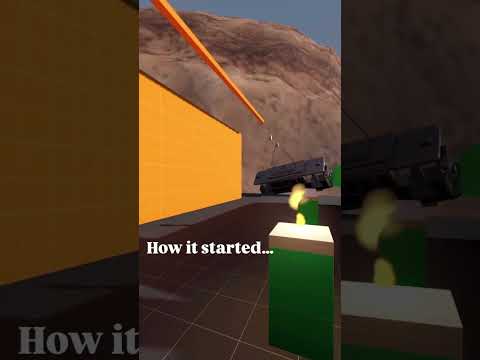
One year ago, I uploaded my first video covering data-oriented design, Burst-compiled parallel jobs, optimized rendering, and related topics. Since then, that collection of videos has grown to 25. To celebrate the year's progress, I thought I'd take a step back and look at how everything I've learned and implemented fits into the bigger picture. Because there's one overarching theme connecting all these techniques: making a performant game on a huge map. And that huge map is where it all started.
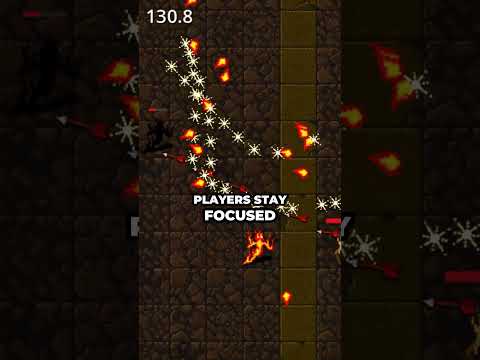
At first, I had two main goals. The first was to terraform a huge map smoothly in real time. I knew I'd have to make proper use of Burst-compiled parallel jobs to have any chance of achieving that. The second was to find a highly optimized way to render the dynamic terrain and everything on it. So, I started researching tri-planar mapping, tessellation, and a bunch of other shader techniques. Looking back, these two goals also provide a natural way to organize this retrospective: first, how I build and simulate the world, and then how I render it.
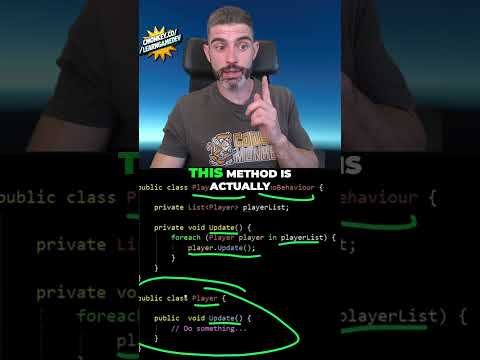
But before we get to that, the most impactful change I had to get used to was adopting a data-oriented design mindset instead of an object-oriented programming one. In a traditional object-oriented approach, each object typically holds its own data, with different objects potentially scattered across memory in managed arrays or lists. With data-oriented design, we instead organize data into large, contiguous blocks of native memory, grouping the same types of data for many objects together. We might have several of these blocks for different types of data, but the important thing is that related data is stored together rather than scattered across individual objects. This makes a big difference to memory access. The CPU can process data much more efficiently when it can access it sequentially, rather than constantly jumping between different locations in memory. And this is true even before we introduce parallel jobs or Burst compilation. Simply changing how we organize our data can already yield substantial performance improvements.
00:00 One Year Ago
00:56 Retrospective Agenda
01:07 Data-Oriented Design
02:14 Building the World
03:26 Dynamic Weather
04:23 Fire Frontiers
04:48 Terrain Shader
05:46 Units - People
06:44 Pathfinding
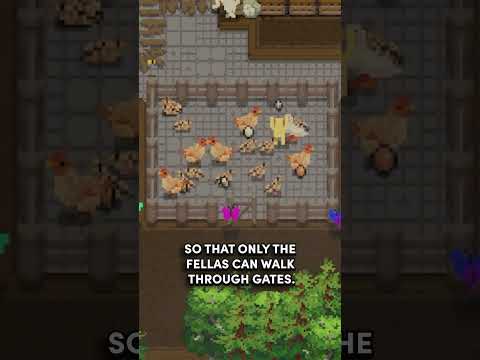
07:40 Herds and Flocks
08:48 Dense Foliage
10:00 Particles
11:22 Triple Buffering and Optimization
11:54 Other Tricks and Functionality
12:53 Culling and Manual Rendering
13:39 Gameplay Mechanics
14:30 Side Quests
15:31 Join Us!