Musical Boids – When Sound Creates Emergence
Alexander Nakarada Royalty Free Music: www.youtube.com/@anakarada
Minor Deity on Steam: https://store.steampowered.com/app/3876240/Minor_Deity/
Minor Deity Discord Server: https://discord.gg/2NEb4HxwhF
Emergence is fascinating. A complex system can exhibit patterns and behaviors that its individual members don't possess. An individual ant has a limited set of actions, yet an entire colony can achieve great feats. In Conway's Game of Life, simple starting patterns can produce intricate sequences. And billions of neurons sending signals to their neighbors give us the wonders of science, art, and the ability to completely forget why we walked into a room.
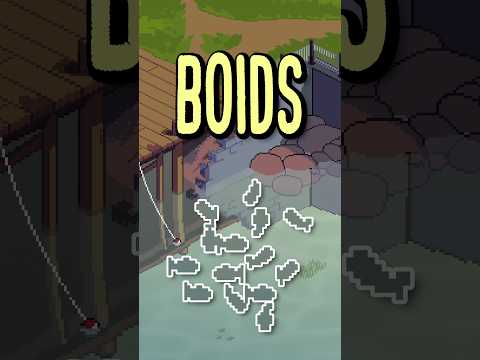
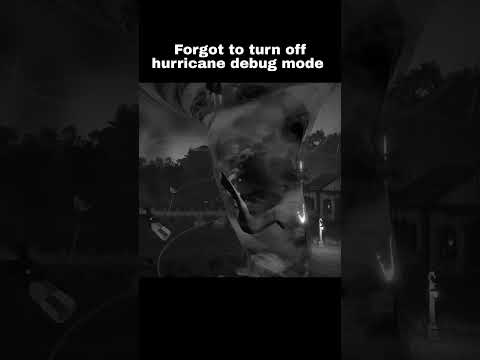
Emergent behavior is also present in flocks. In the well-known Boids algorithm, each bird responds only to its nearby neighbors using three simple rules: cohesion, alignment and separation. Cohesion draws birds towards one another, alignment encourages them to fly in the same direction, and separation keeps them from getting too close. Despite these simple rules, the flock as a whole can exhibit surprisingly complex behavior. Check out the video in the top-right for a more detailed explanation.
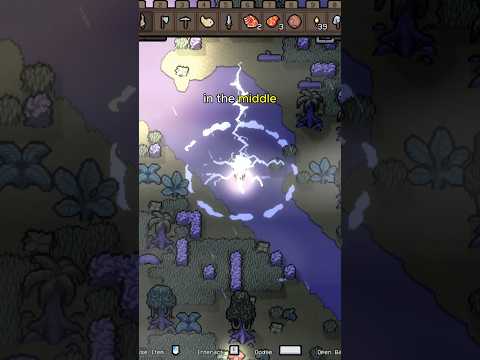
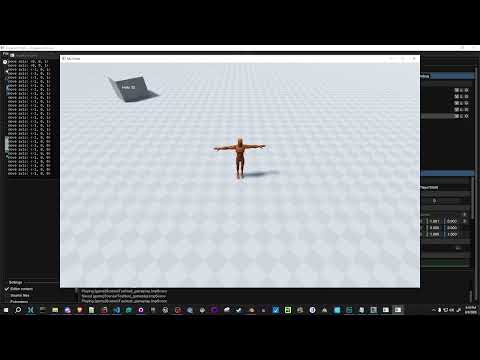
Playing around with those parameters can lead to wildly different flock behavior. We could use fixed parameters, or even randomise them. But it gets more interesting if we let some external impulse control the flock. In a previous video, I captured system audio, converted it into a spectrum, and used it to create pulse waves in the terrain. This time, we'll use the sound spectrum to control the flock itself, letting the music determine how thousands of birds move.
00:00 Emergence
01:00 Simulation Parameters
01:40 Using Music
02:58 Thanks Alexander!
03:27 More Music
World Turtles also features Alexander's music.