Godot Hypercasual Systems That Make Gameplay Scale
utm_content=youtube_2026_godothypercasualgameplay
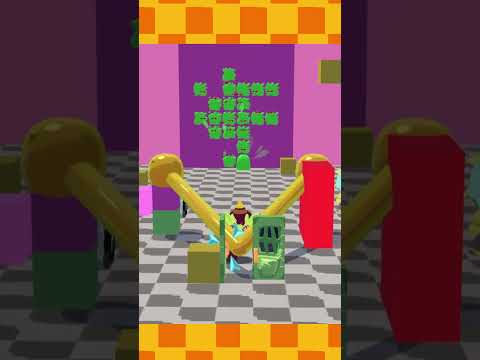
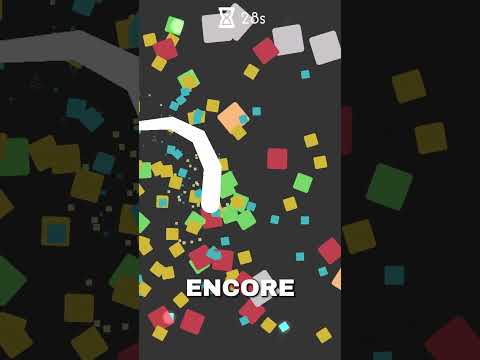
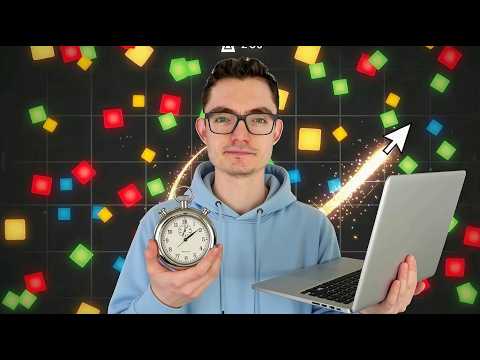
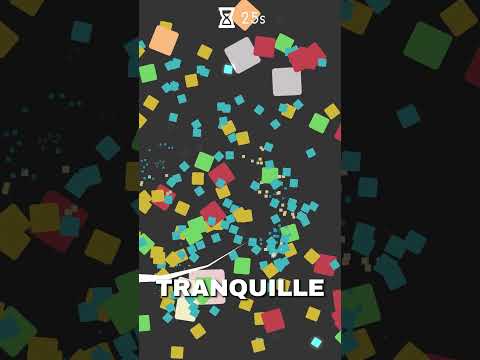
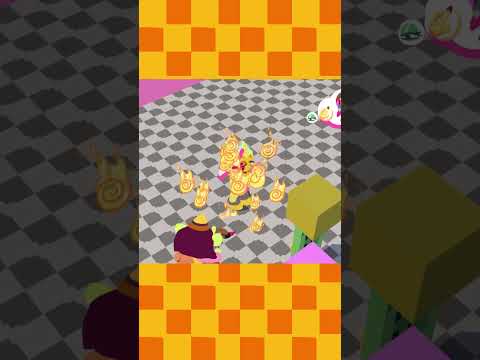
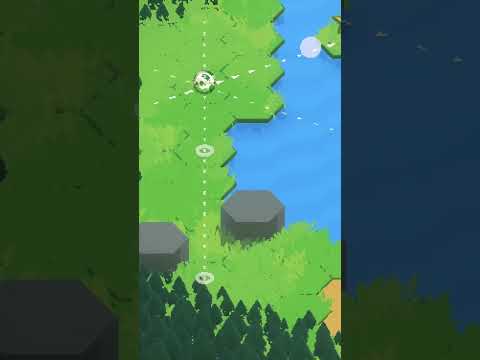
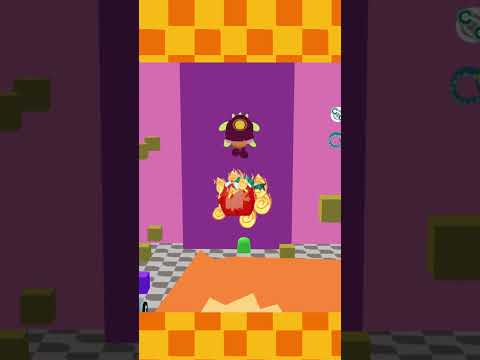
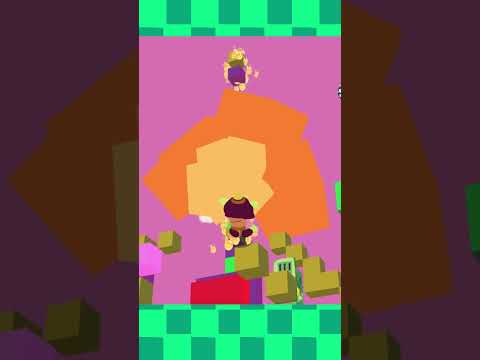
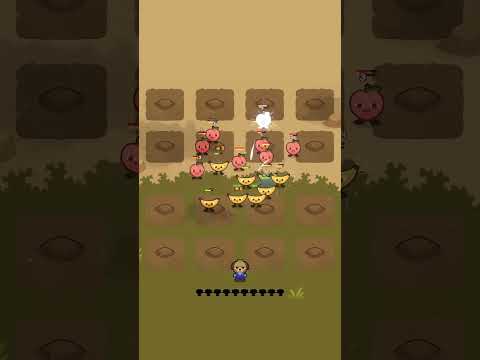
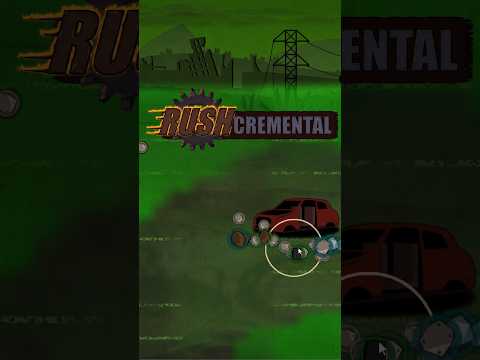
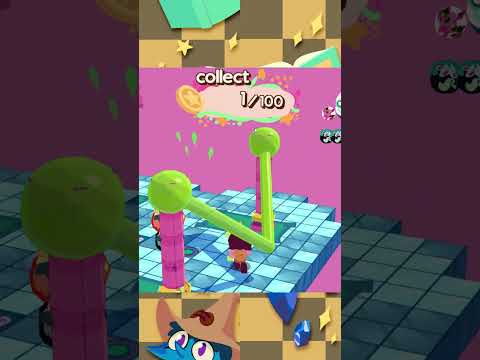
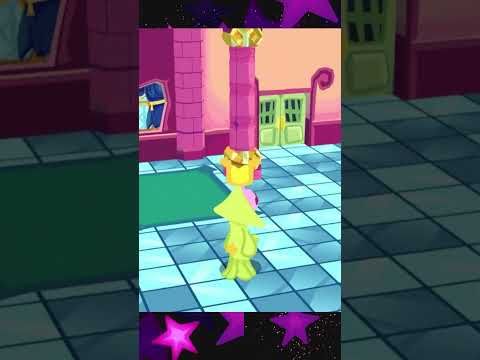
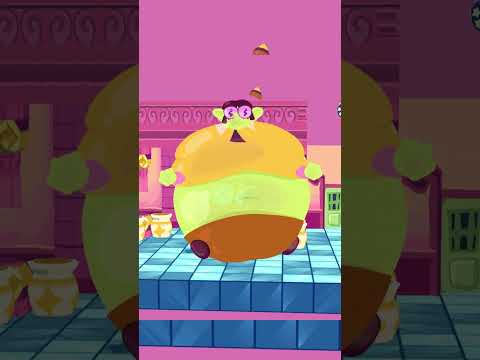
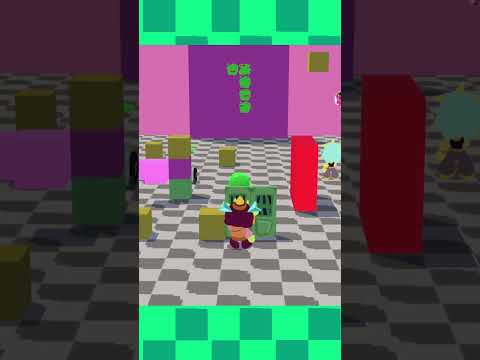
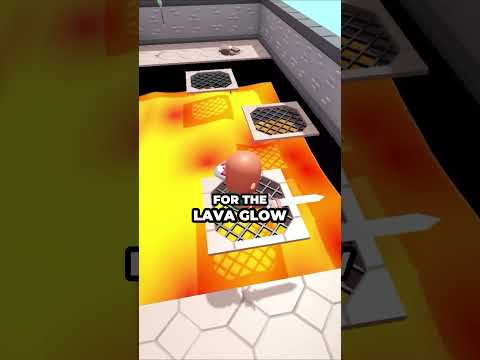
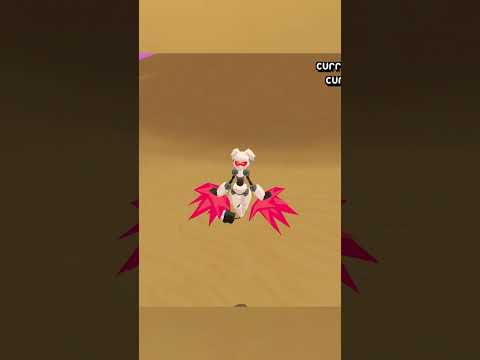
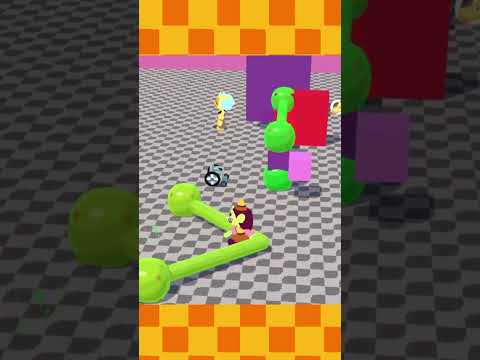
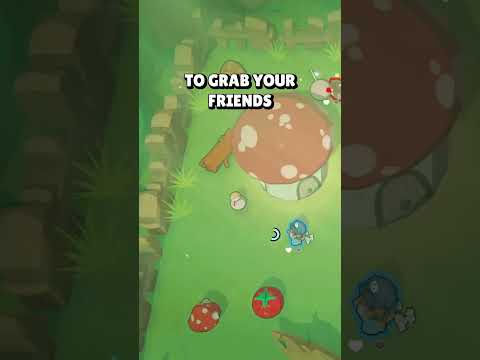
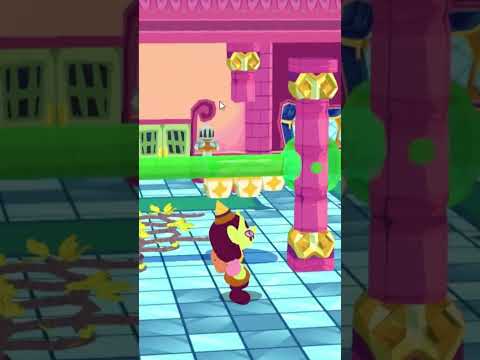
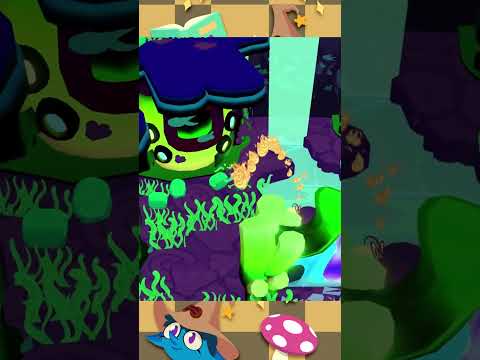
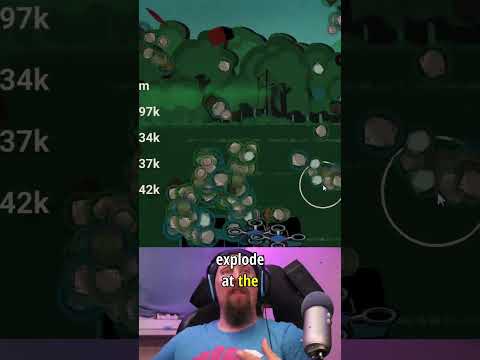
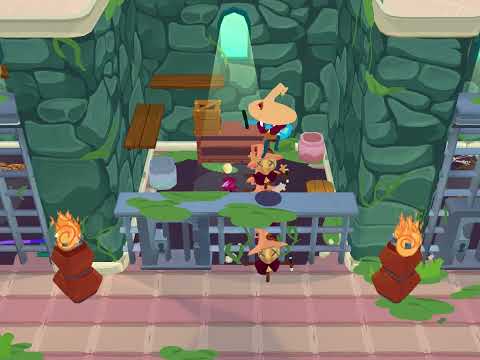
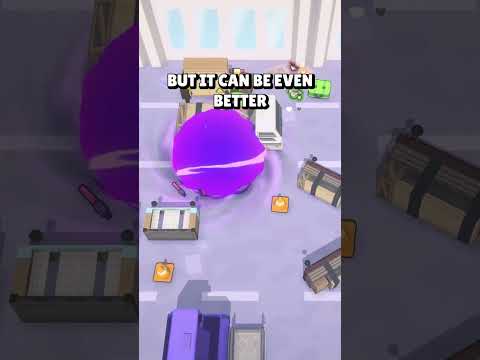
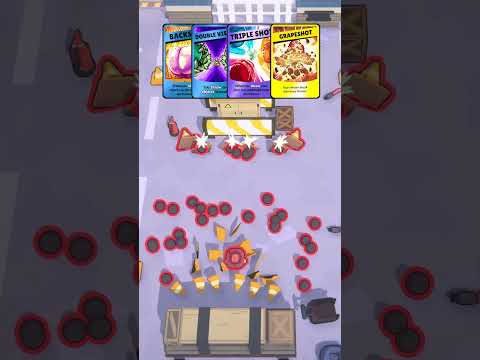
Learn how to build scalable gameplay systems for a Godot hypercasual game. This tutorial focuses on turning a single player unit into a dynamic group that can grow, shrink, and stay visually organized during play.
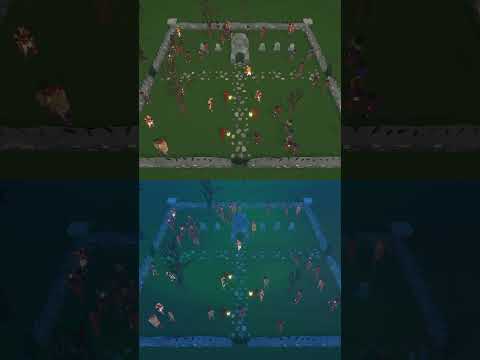
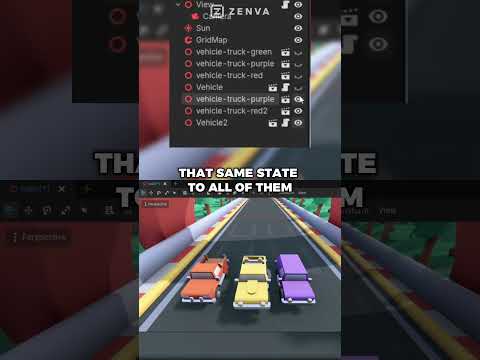
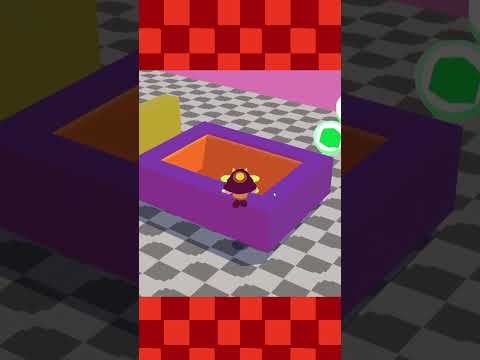
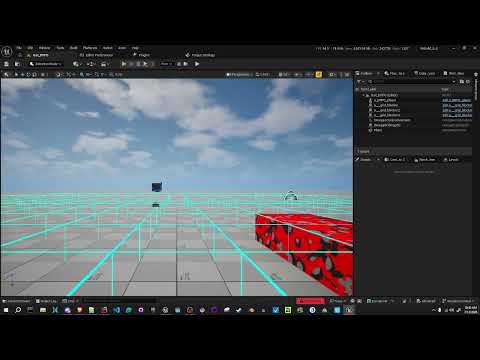
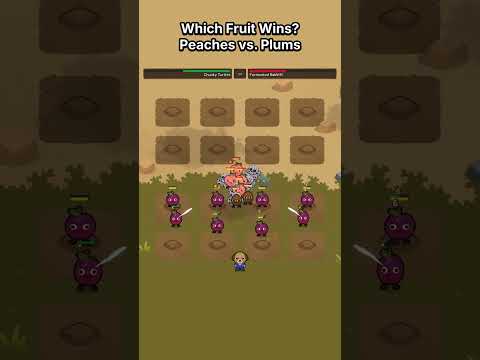
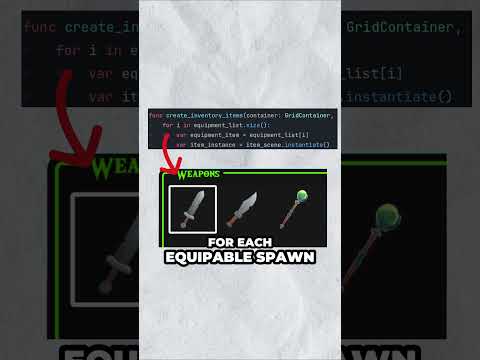
You will create logic for calculating positions around a target using circular rings, then connect those positions to real spawned mover scenes. The result is a flexible system that can handle changing unit counts while keeping the game readable for players.
By the end, you will have a reusable approach for spawning, removing, and positioning gameplay objects in Godot, ready to support gates, obstacles, scoring, and other hypercasual mechanics.